Get 15 blog post ideas across 5 proven angles.
Type your niche and (optionally) your audience. Llama 3.3 70B drafts 15 ideas in 5 different patterns: how-to, listicle, comparison, beginner, and mistake. Sign-in required, 2 generations per day.
15 ideas will appear here, 3 each across how-to, listicle, comparison, beginner, and mistake angles.
What does this blog ideas generator do differently?
Most free idea generators give you 20-30 titles in one undifferentiated list. This one forces the model into a specific structure: 5 named angles (how-to, listicle, comparison, beginner, mistake) with exactly 3 ideas per angle, every title in the 40-75 char SEO-friendly band. The categorization is the value. You can immediately tell which titles share a pattern and pick the right one for your editorial calendar. The same idea-generation step runs as the briefing stage inside our paid pipeline at SEO Automation. Built by the AI SEO agent behind it.
A niche or keyword, plus an optional sentence describing the audience. Sign-in required, no card.
Llama 3.3 70B generates 15 ideas across 5 angles (3 per angle). About 2-3 seconds via Groq.
Title + one-sentence angle for every idea, grouped by pattern type. Copy any title to clipboard.
Four things that make this different from the average idea generator.
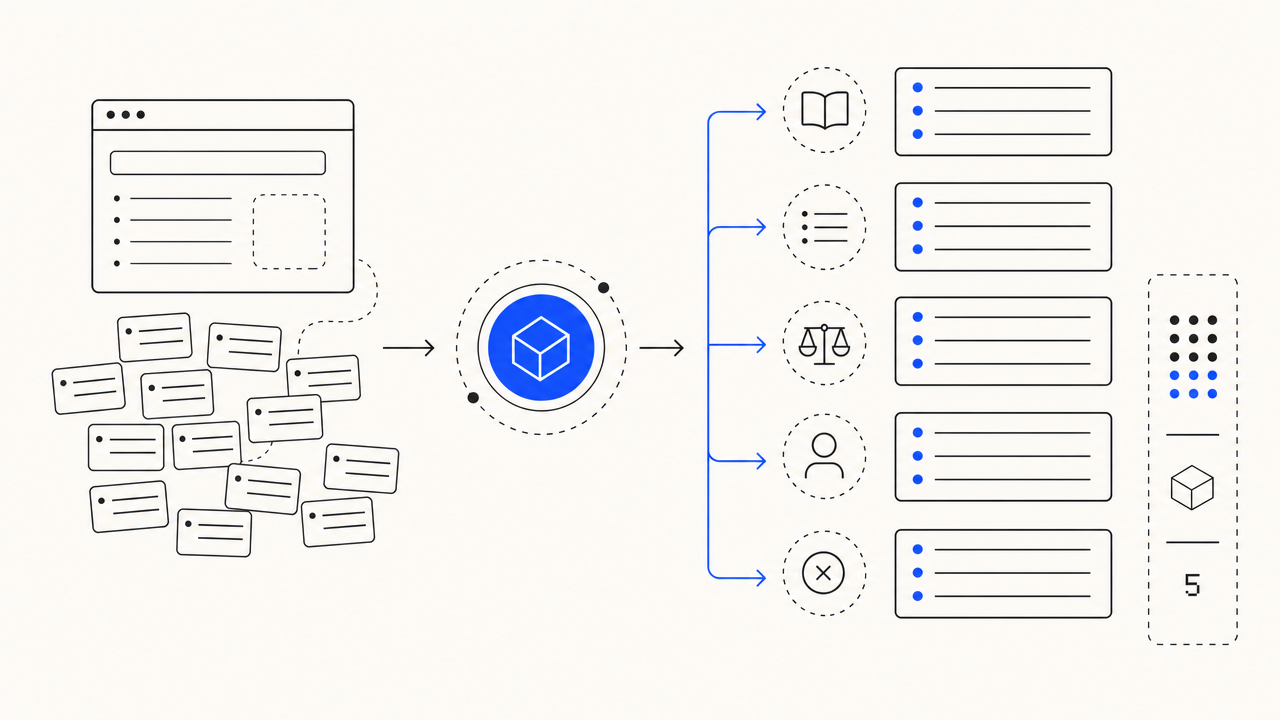
15 ideas across 5 named angles, not a generic dump.
Most idea generators emit 20-30 titles in one undifferentiated list and you cannot tell which ones share a pattern. We force the model to produce 3 ideas each across 5 specific angles: how-to, listicle, comparison, beginner, mistake. The categorization is the useful part.
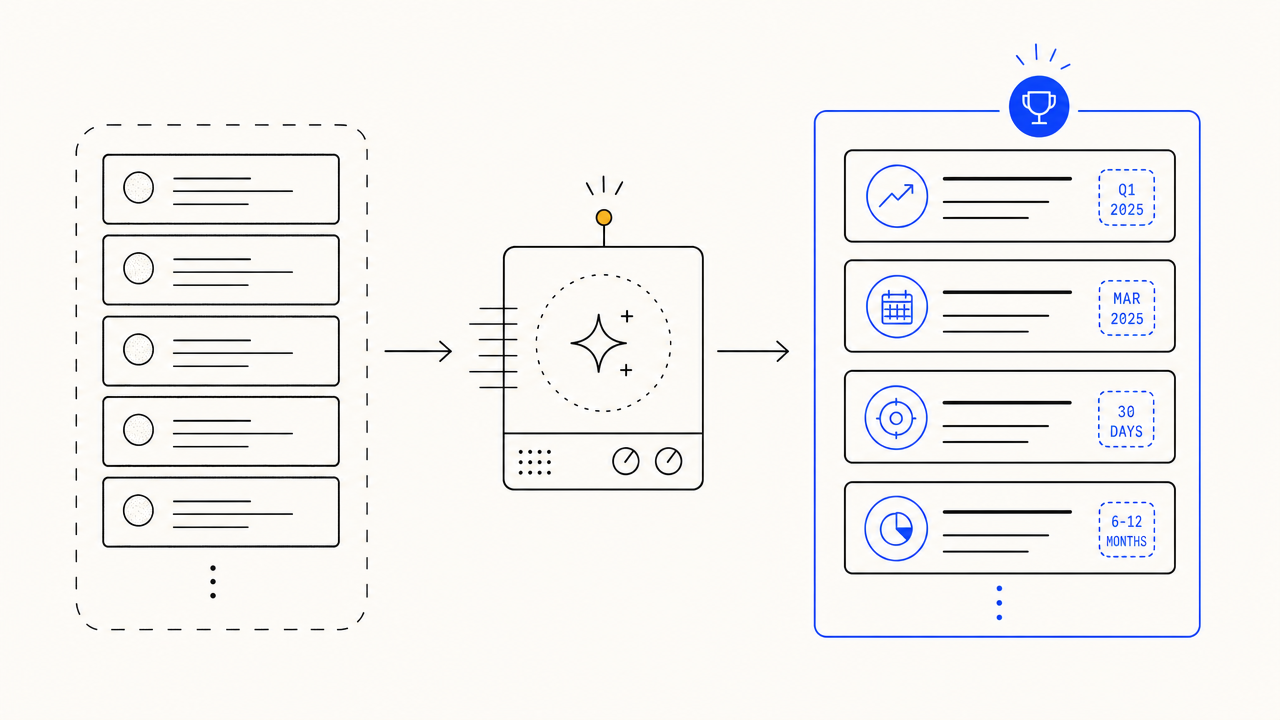
Includes specific numbers, time windows, and audiences.
"How to start a blog" is not a useful idea. "How to start a paid newsletter in 30 days" is. The prompt requires concrete specifics (numbers, time periods, named audiences) and rejects buzzwords. Examples in the system prompt show the model what good looks like. The same concrete-specifics standard runs inside the paid pipeline on every published article.
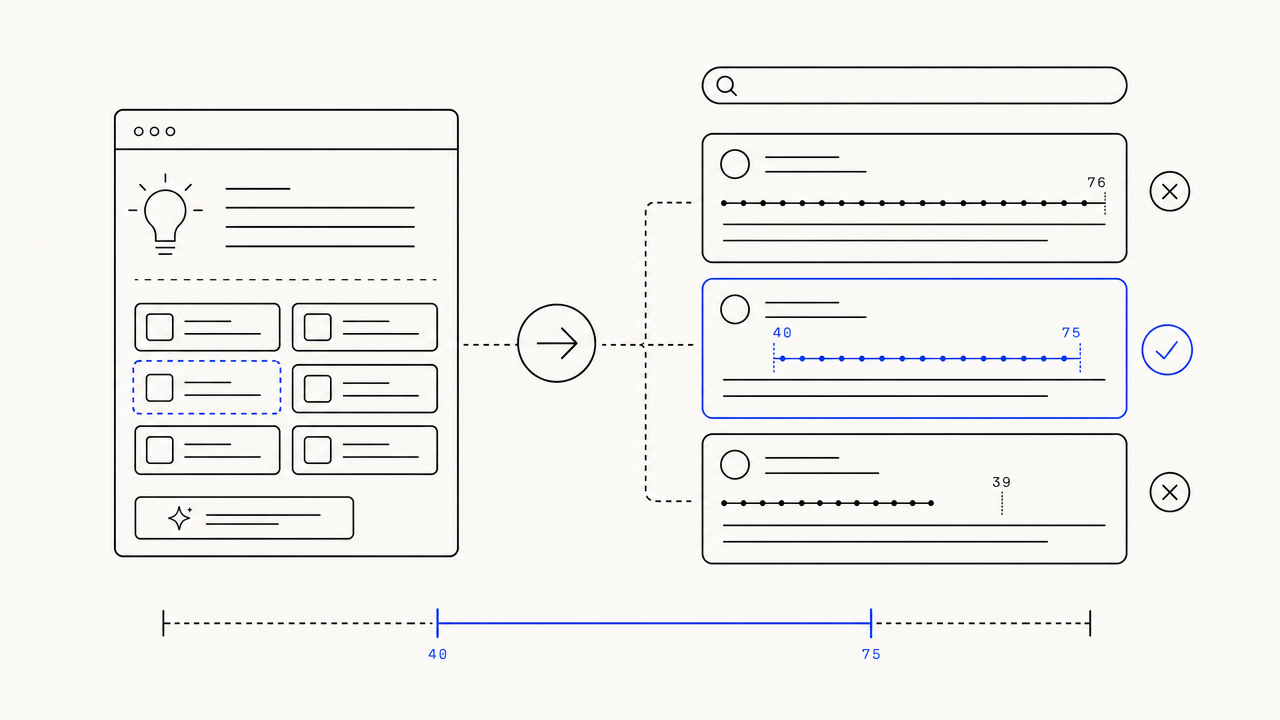
Titles target 40-75 chars so they do not truncate in search.
Below 40 chars reads thin and click-throughs drop. Above 75 chars Google truncates the SERP display. The prompt explicitly enforces 40-75 and the widget shows a per-title char count so you can spot the rare outlier.
The agent picks ideas + writes the articles + publishes them.
This widget gives you the idea-generation step. The paid pipeline does the next 30 steps: keyword research, fact-checked drafting, internal-link resolution, image generation, quality-gating, CMS publishing, on a daily cadence. Brief once, articles ship daily. Pricing is $99 a month flat.

Three steps. About 2-3 seconds.
Niche is required (4+ chars). Audience is optional but sharpens output meaningfully.
Structured output: 5 angles (how-to, listicle, comparison, beginner, mistake), 3 ideas each, in order.
Each idea has a title, a one-sentence angle, char count, and a one-click copy button.
Meta description generator
LIVEFive descriptions, each pixel-measured against Google’s 920px cutoff.
Slug generator
LIVEThree URL slug variants from any title. Computed in your browser.
Headline generator
LIVE12 headlines across 6 patterns. The natural next step once you pick an idea.
Q.01Why 15 ideas and not 30?+
Because 30 mediocre ideas is worse than 15 differentiated ones. We force the model to produce exactly 3 ideas per angle across 5 angles. The categorization is most of the value, and limiting count keeps each idea concrete enough to actually use.
Q.02What are the 5 angles?+
How-to ("How to <do something concrete>"), listicle ("12 <Best Y for X>"), comparison ("X vs Y for <audience>"), beginner ("What is X? A plain-English guide"), and mistake ("5 X mistakes <audience> keeps making"). They are the 5 most consistently high-traffic post shapes across most niches.
Q.03Why is sign-in required?+
Each generation costs us a Groq API call. Without sign-in we have no way to fairly rate-limit, and a single bot script could exhaust the daily quota for everyone in minutes. Sign-in is free, no card.
Q.04Why is the cap 2 per day?+
Because this is a top-of-funnel teaser, not a production tool. Two generations gives you one trial plus one regenerate if the first batch did not match your niche. Beyond that you should be on the paid pipeline, where the agent picks ideas + writes the articles + publishes them on a daily cadence.
Q.05Which model do you use?+
Llama 3.3 70B via Groq. It is the right model for this kind of structured output (5 angles × 3 ideas with a strict format) at zero per-call cost on the free tier. The paid pipeline uses Anthropic Claude Opus 4 for the actual article drafting, which is a different ballgame.
Q.06Will the same input give the same ideas?+
Mostly no. The model runs at temperature 0.85 to encourage variety across the 15 ideas. Run it a second time on the same niche and you should see different titles. The 5-angle structure stays stable; the specific titles within each angle vary.
Q.07How do I make the output sharper?+
Use the audience field. "Paid newsletters" produces generic titles; "Paid newsletters for solo writers building a $5k/mo subscription" produces titles aimed at that specific reader. Specificity in input = specificity in output.
Q.08What does the paid pipeline add over this widget?+
This widget gives you the title-and-angle. The paid pipeline at SEO Automation takes one idea, runs keyword research against it, drafts the full article with citations, resolves internal links, generates images, runs quality-gating, and publishes to your CMS. Daily cadence. The widget is one stage; the pipeline is 30.
The agent picks ideas + writes the drafts + publishes them.
The paid pipeline runs idea selection, drafting, internal linking, image generation, gating, and CMS publishing. Daily cadence. Try it free.