CATEGORY GUIDE · AUTOBLOGGING · 2026

Best auto blogging software in 2026: 6 tools compared.

Auto blogging software used to mean pushing low-quality posts into WordPress and hoping Google ignored the smell. The better 2026 version is different: keyword validation, SERP-aware planning, cited drafting, internal links, quality gates, and CMS publishing. This list ranks tools by how much of that workflow they actually own.

BY THE SEO AGENT TEAMUPDATED 2026-05-309 MIN READ
Best auto blogging software editorial illustration
THE SHORT ANSWER

What is the best auto blogging software?

The best auto blogging software is the one that owns the workflow around the writer. TheSEOAgent is the best fit for founders who want validated keywords, cited drafts, internal links, a quality gate, and CMS publishing. Autoblogging.ai, Byword AI, RightBlogger, Abun, and Outrank each fit different buyers depending on whether you need draft volume, a broad toolkit, or an autopilot SEO platform.

1. What auto blogging software should do.

The old definition was simple: generate a post and send it to WordPress. That is no longer enough. The useful version of autoblogging software owns the expensive parts around the draft.

  • It finds or validates the keyword before writing.
  • It checks the search result and plans the article around intent.
  • It writes with sources, not just plausible sentences.
  • It adds internal links naturally.
  • It publishes only after a quality gate passes.
Illustration comparing simple AI writing, CMS publishing, and a full SEO publishing pipeline

If a tool only writes the article, it is an AI article writer. If it controls the keyword, outline, citations, internal links, publish path, and review gate, it is closer to real SEO automation software.

THE SHORTLIST

2. The 6 best auto blogging software picks.

This is not a generic feature checklist. The ranking is based on buyer fit: draft speed, SEO workflow depth, CMS publishing, internal links, and how much review the human still has to do.

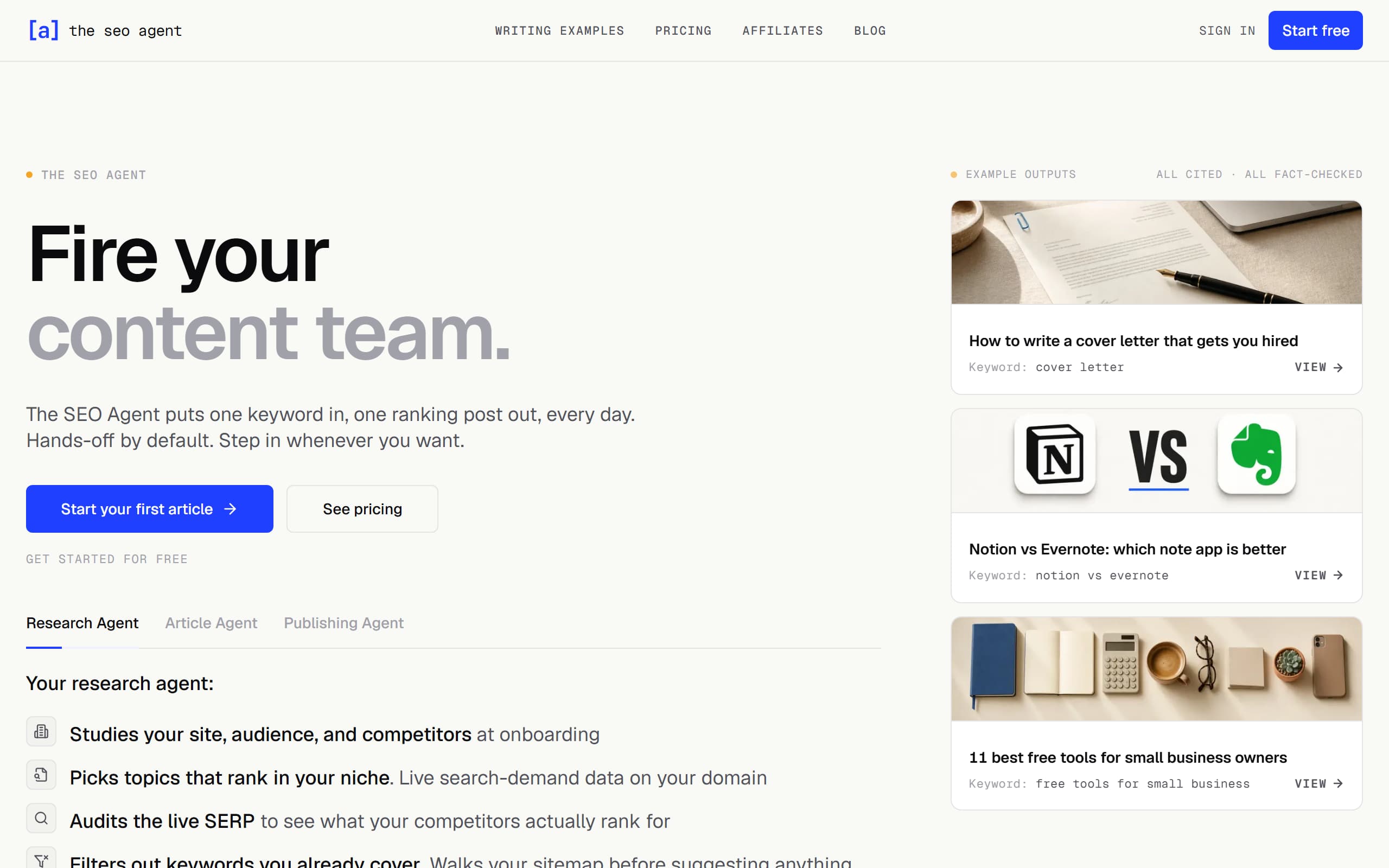
TheSEOAgent homepage screenshot
01

TheSEOAgent

Founders who want SEO articles published through a controlled pipeline

Best when the job is not just writing. The pipeline validates the keyword, drafts with citations, adds internal links, scores quality, and publishes to the CMS after the checks pass.

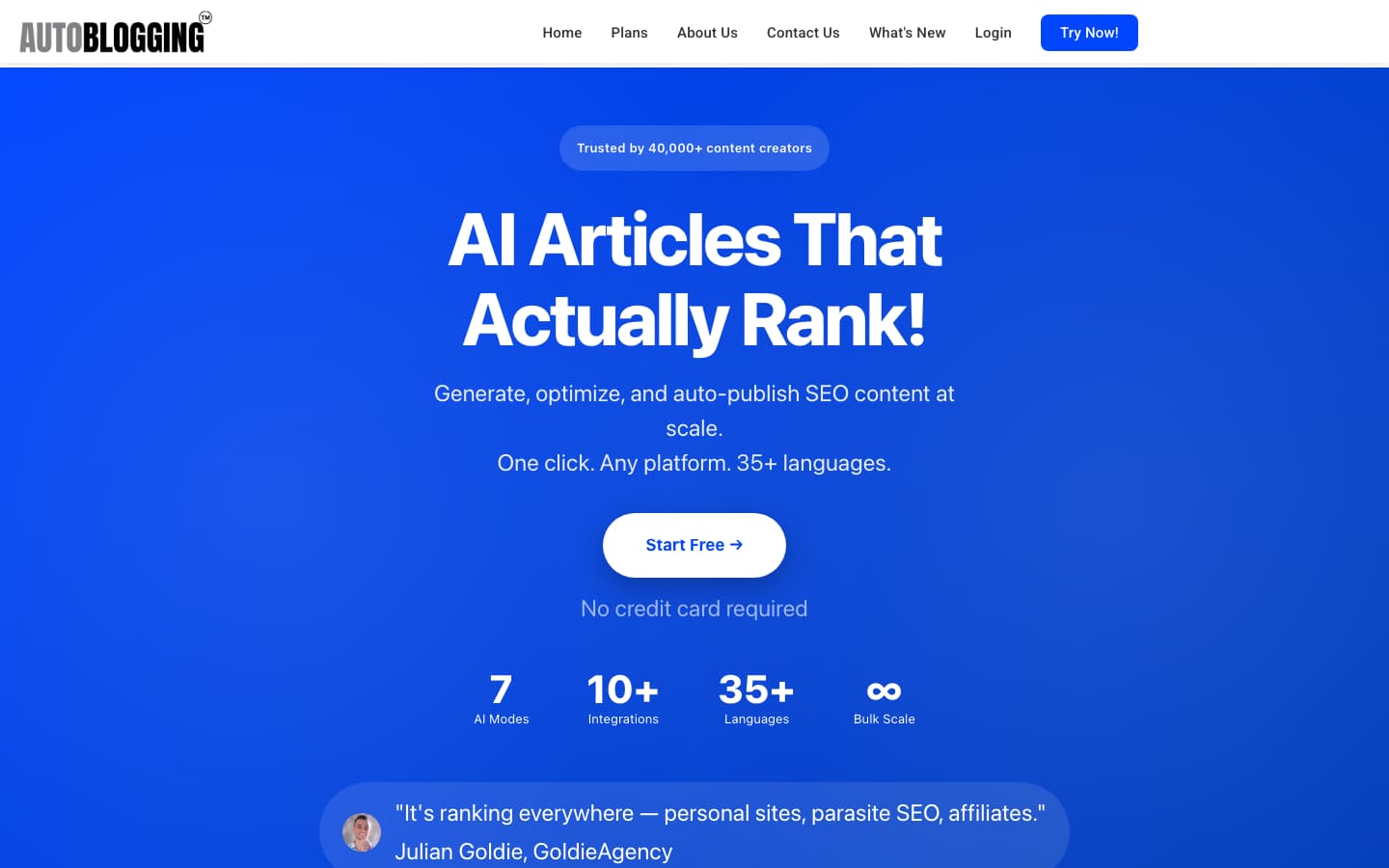
Autoblogging.ai homepage screenshot
02

Autoblogging.ai

Publishers who want fast article generation from known topics

A direct autoblogging product with a clear draft-volume promise. Strongest when the buyer already trusts the keyword list and has an editor checking output.

Byword AI homepage screenshot
03

Byword AI

Teams that want scale-oriented SEO article generation

A serious AI article writer for scale. Better for teams that already have strategy and review covered than for teams that need the whole publishing loop owned.

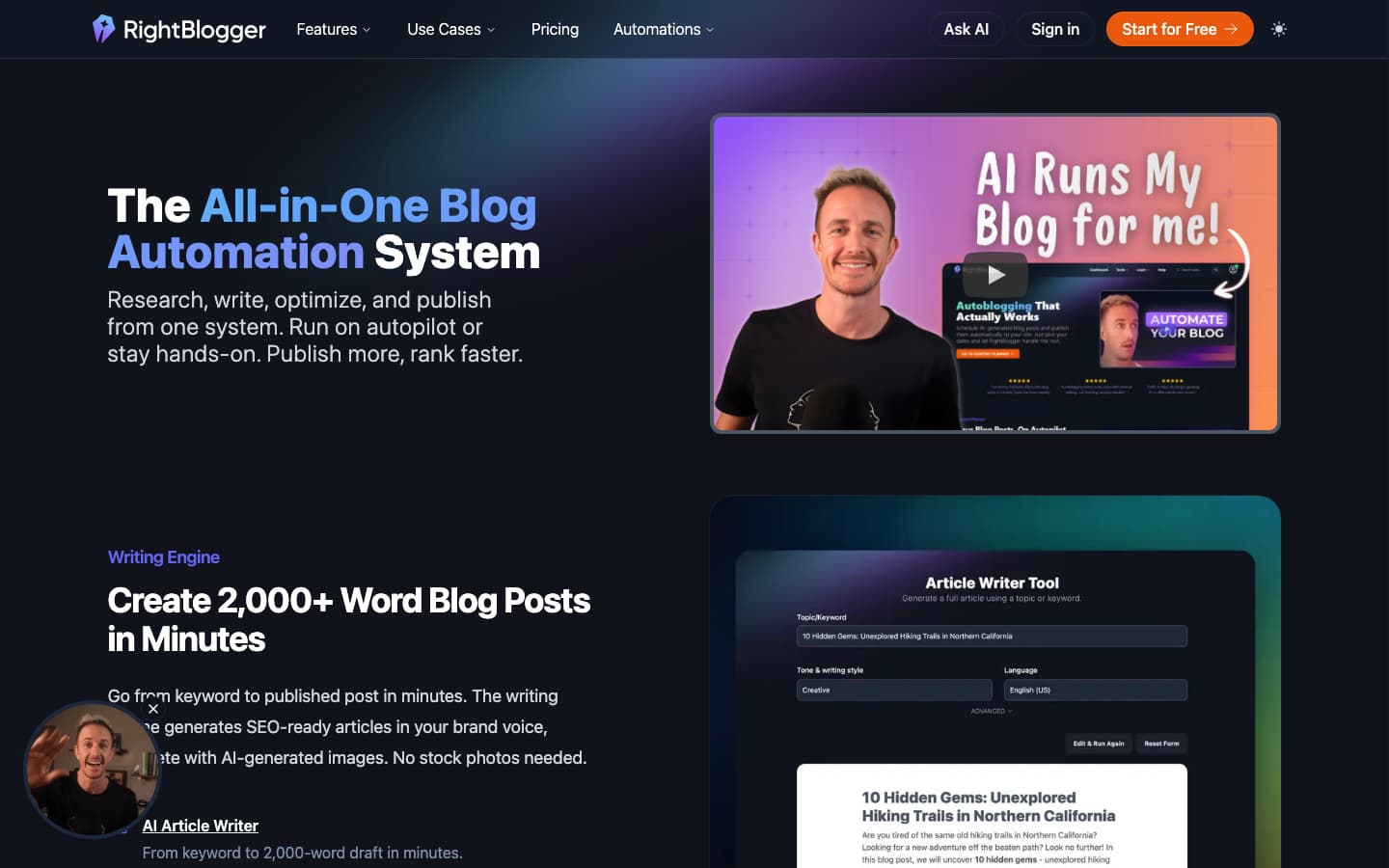
RightBlogger homepage screenshot
04

RightBlogger

Creators who want a broad blogging workbench

More of a blogging suite than a pure autoblogger. Useful when the buyer wants writing tools, blog utilities, and creator workflows in the same workspace.

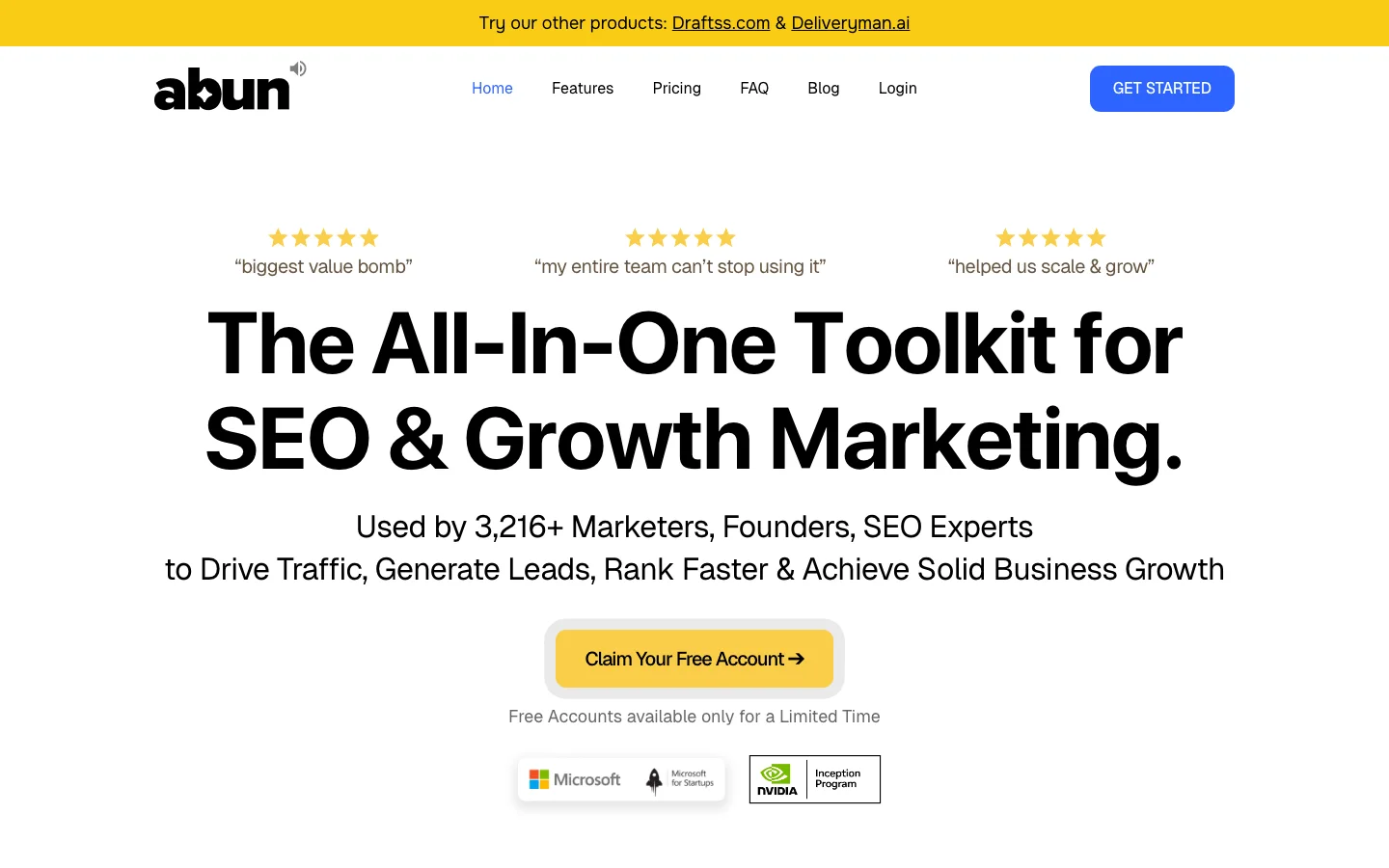
Abun homepage screenshot
05

Abun

Operators who want a broad AI SEO and growth toolkit

A wide toolkit covering articles, keywords, programmatic pages, schema, links, indexing, widgets, and more. Best when breadth matters more than a narrow article pipeline.

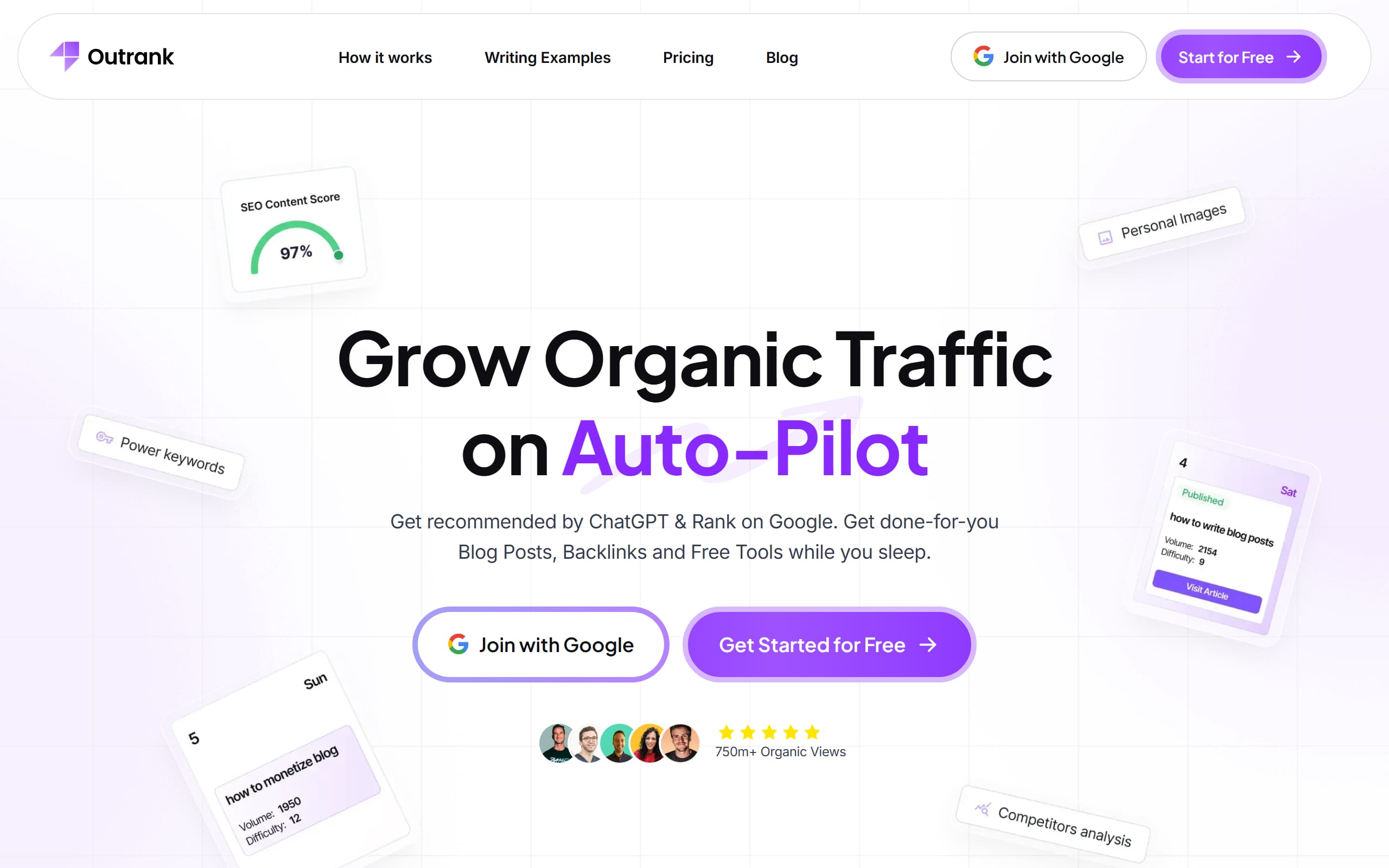
Outrank homepage screenshot
06

Outrank

Buyers comparing autopilot SEO content platforms

Closest in shape to the full autopilot category. The important comparison is not whether it can generate articles, but how much control you get before publishing.

3. Draft writer vs publishing pipeline.

Most tools look good on the first draft. The difference appears one hour later, when someone has to check the keyword, find sources, rewrite vague sections, add internal links, format the CMS entry, and decide whether the article should publish at all.

That is why we put TheSEOAgent's pipeline first for teams that care about finished output. If your only bottleneck is draft speed, read the Autoblogging.ai review. If your bottleneck is scale article generation, read the Byword AI review.

Illustration of draft cards being reviewed for citations, internal links, quality score, and publish readiness

4. WordPress-only vs multi-CMS publishing.

A lot of autoblogging demand still starts with WordPress. That makes sense: WordPress is the default publishing stack for many niche sites. But SaaS teams are often split across Webflow, Shopify, Ghost, Wix, docs sites, custom frontends, or webhook-based workflows. The CMS path can decide the tool.

Illustration of one blog article routing to multiple CMS publishing paths

If your publishing world is WordPress-only, compare our WordPress SEO automation page with narrow WordPress autoblogging tools. If your site is not WordPress-only, prioritize multi-CMS publishing and webhooks before comparing writing style.

5. Which tool should you pick?

PICK A WRITER IF
  • You already have a keyword list.
  • You have editors checking every article.
  • You only need faster first drafts.
  • Your CMS publishing process is already solved.
PICK A PIPELINE IF
  • You need the tool to find and validate keywords.
  • You want sources and internal links handled before publish.
  • You publish across more than one CMS path.
  • You want bad drafts stopped automatically.

The broad toolkit buyer should read the Abun review and the RightBlogger review. The autopilot buyer should read TheSEOAgent vs Outrank. The founder who just wants clean SEO output should start with the free trial.

6. How to test before publishing at scale.

  1. Pick three keywords you would publish even if no AI tool existed.
  2. Run those exact keywords through each shortlisted product.
  3. Reject any draft whose title misses search intent.
  4. Count unsupported claims, weak citations, and missing internal links.
  5. Measure editor cleanup time before CMS publish.

The winner is not the tool with the most features. It is the tool that lets you publish with the least cleanup and the least domain risk. For most SaaS teams, that means paying more attention to the quality gate than the word count.

QUESTIONS

Auto blogging software questions.

Missing something? Ask us directly.

What is the best auto blogging software in 2026?

The best auto blogging software depends on the workflow. TheSEOAgent is best when you want keyword validation, cited drafting, internal links, quality scoring, and CMS publishing in one pipeline. Autoblogging.ai is best for fast draft generation from known topics. Byword AI is best for scale article generation. RightBlogger and Abun are broader toolkits.

Is auto blogging still safe for SEO?

Auto blogging is safe only when the system controls quality before publishing. The risky version publishes many weak pages quickly. The safer version validates the keyword, checks the SERP, cites sources, adds internal links, scores the draft, and blocks weak articles before they reach the CMS.

What should auto blogging software include?

At minimum, it should include keyword research, article planning, AI drafting, citation support, internal linking, CMS publishing, and a quality gate. If it only generates drafts, the user still has to do the SEO work manually.

Is WordPress autoblogging enough?

WordPress autoblogging is enough for niche publishers whose entire stack is WordPress. SaaS teams often need more: Webflow, Shopify, Ghost, Wix, docs sites, or webhook publishing, plus a way to review drafts before they go live.

Is Autoblogging.ai better than Byword AI?

Autoblogging.ai is more directly framed around autoblogging and fast article output. Byword AI is more scale-content oriented. The better choice depends on whether you want direct draft volume or a more structured SEO article workflow.

Is Abun an auto blogging tool?

Abun includes AI blog automation and AI article features, but it is broader than a pure auto blogging tool. Its public site positions it as an all-in-one SEO and growth-marketing toolkit.

Can auto blogging software replace an SEO writer?

It can replace parts of the writing workflow, but it should not replace editorial judgment blindly. The best systems reduce manual writing and formatting while still forcing review on keyword choice, sources, claims, and internal links.

How should I test auto blogging software?

Run the same three real keywords through every shortlist tool. Check search-intent fit, title quality, source handling, internal links, CMS formatting, and editing time. Pick the tool that gets closest to publish-ready at your standard.

What is the difference between an AI article writer and auto blogging software?

An AI article writer creates drafts. Auto blogging software should manage more of the publishing workflow: topic selection, scheduling, CMS publishing, internal links, metadata, and quality control.

AUTO BLOGGING WITHOUT THE MESS

Publish the article after the checks pass.

Start the trial, connect your CMS, and run three real keywords through the pipeline. Judge the output by publish readiness, not draft speed.

FREE TRIAL · MULTI-CMS PUBLISHING · QUALITY GATE